Whitebait Season Returns to the Waiau
By Mike Goodwin – Advento Photography
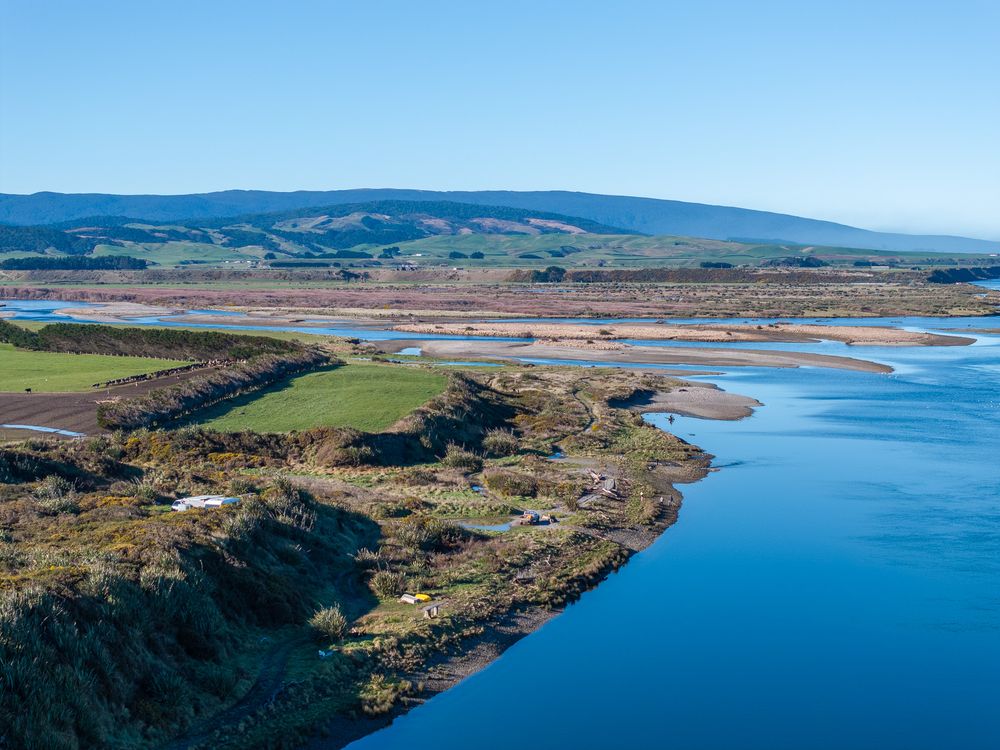
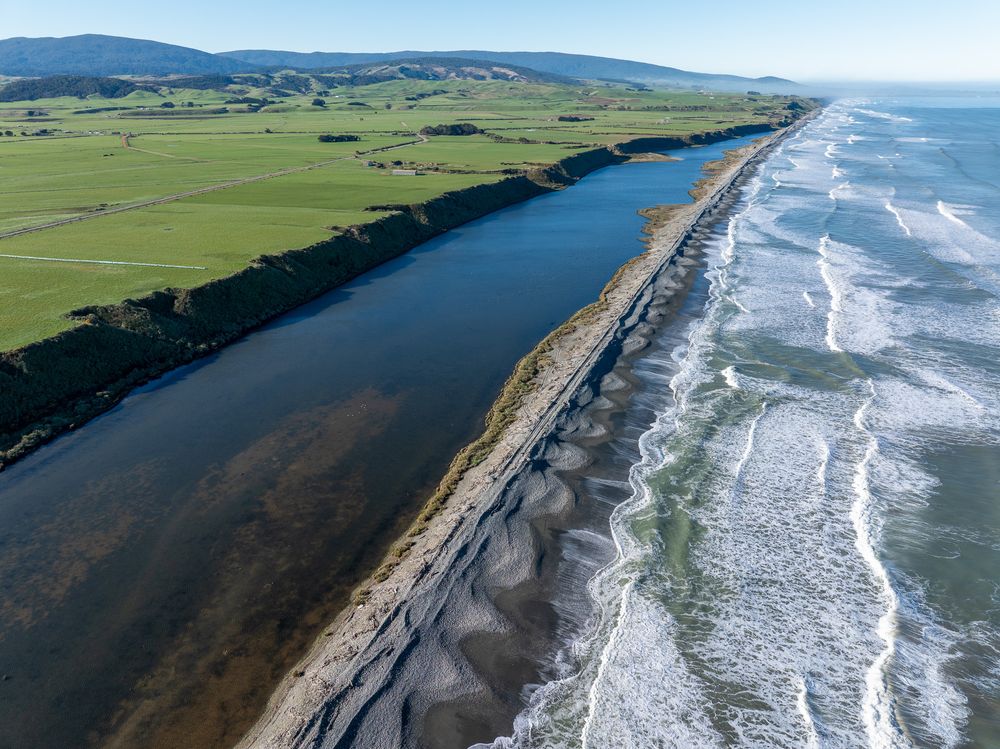
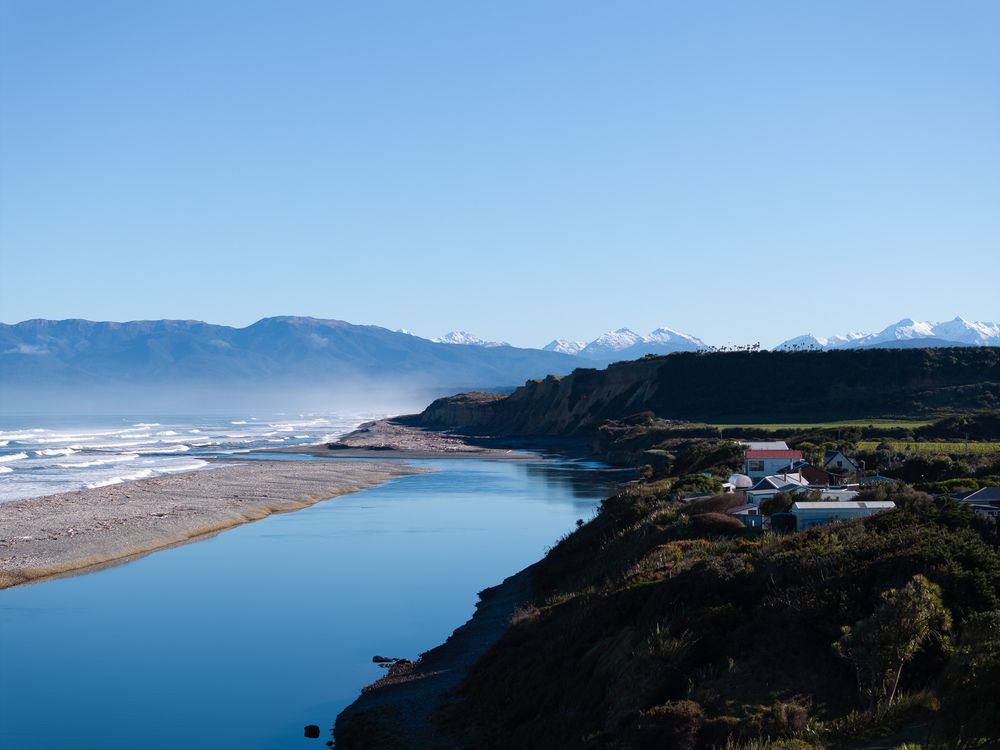
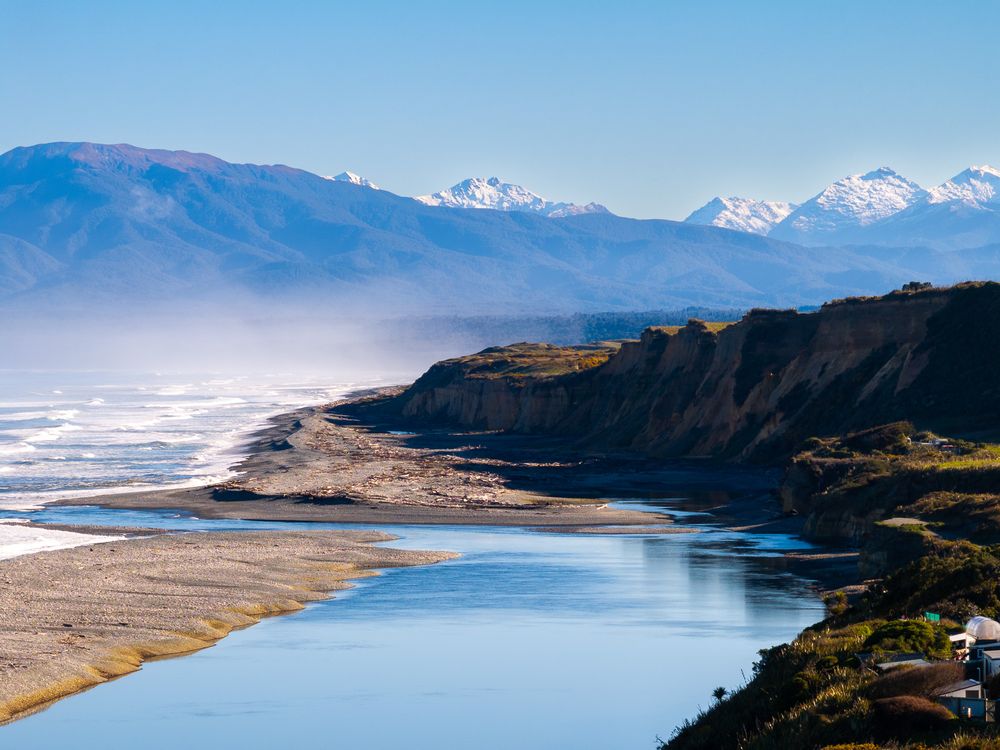
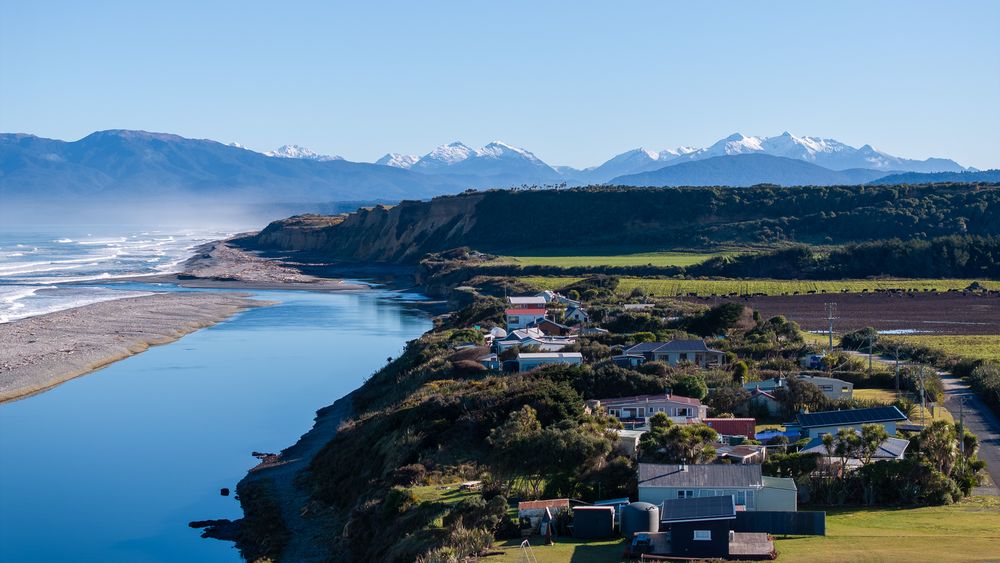
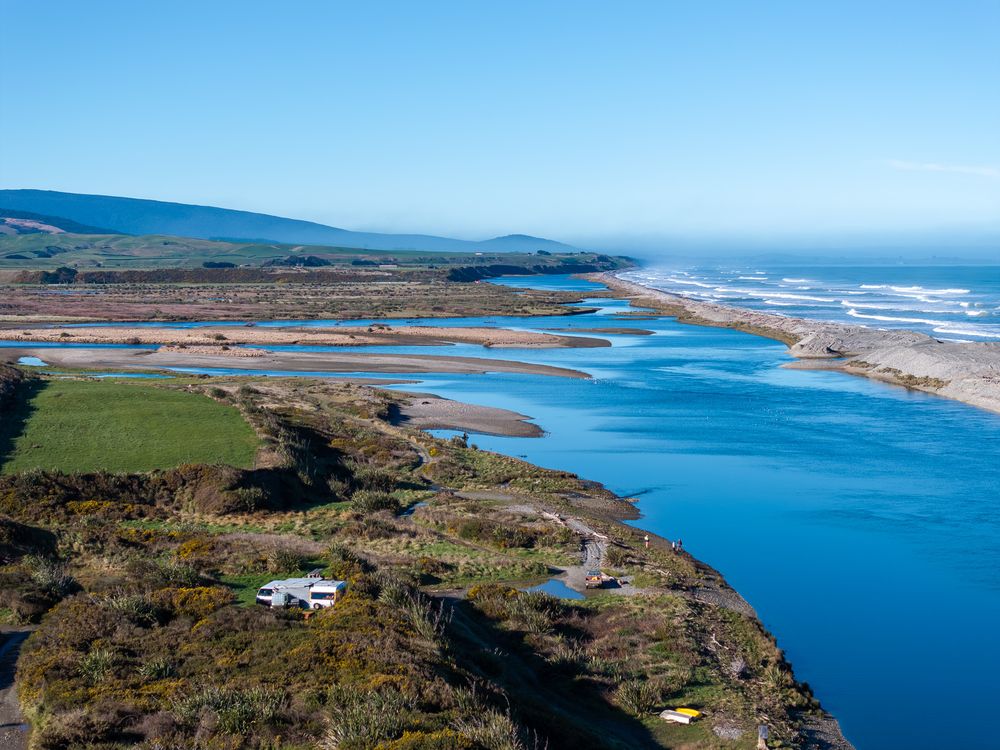
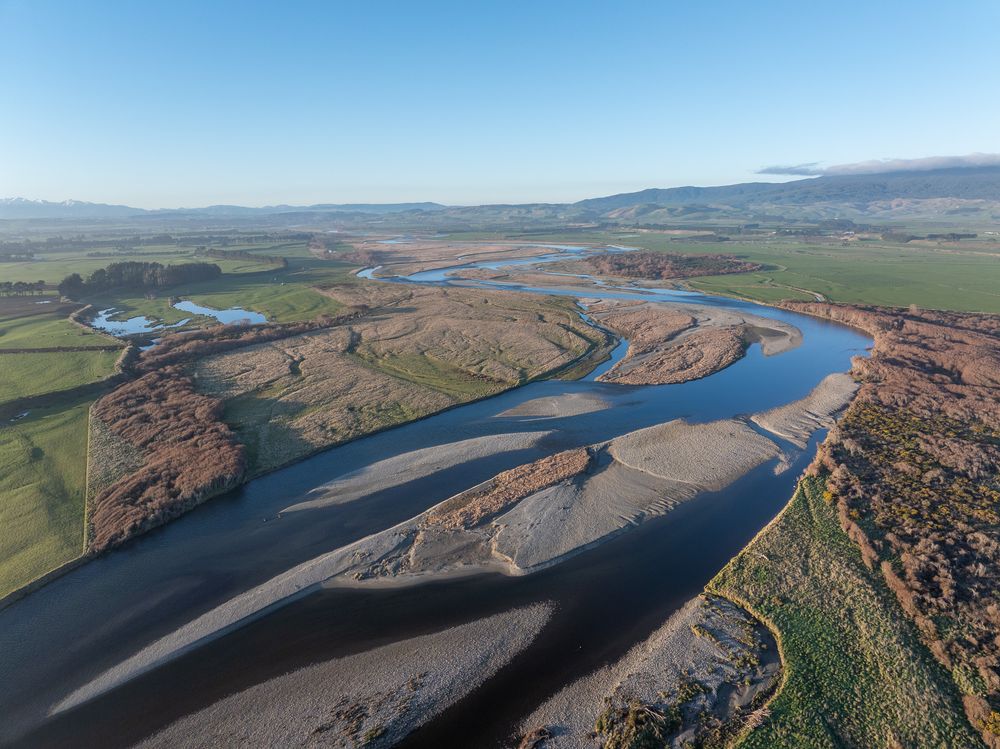
September marks the start of one of Tuatapere’s most cherished traditions — whitebait season. From 1 September to 30 October, locals and visitors alike will line the Waiau River and surrounding streams with nets in hand, hoping to catch a feed of these tiny but highly prized fish.
For many, whitebaiting is more than fishing. It’s a chance to reconnect with the outdoors, enjoy the company of friends and family, and be part of a tradition that stretches back generations.
Season Rules and Fishing Times
Fishing is only permitted between 5:00am and 8:00pm, or 6:00am to 9:00pm when daylight saving begins. Each person is limited to one net, which must be attended at all times, and fishing near bridges, culverts, and river junctions is not allowed. Taking whitebait outside of permitted hours is illegal — and last year’s night stings proved that enforcement is taken seriously.
DOC and NZ Police continue to run Operation Inaka, targeting illegal fishing and anti-social behaviour along the Waiau. Those caught risk losing their catch, their nets, and facing fines up to $400 or prosecution. As DOC officer Alan Christie said last season, “We’d rather catch no one.” The message is clear: follow the rules and keep it fair for everyone.
Whitebait Stands in Southland
Environment Southland reminds stand owners to keep their platforms safe, labelled, and in good repair. Compliance checks will begin mid-September.
Key rules for stand holders:
- Only existing consented sites are permitted.
- Stands must be structurally sound and not obstruct river flow.
- Owner’s name must be displayed.
- All gear must be removed from the water at the end of the day.
Southland currently has around 680 stands, most on the Mataura, Titiroa, and Aparima Rivers. New stand sites are tightly controlled to protect the environment.
Te Waewae Lagoon: A Whitebait Haven
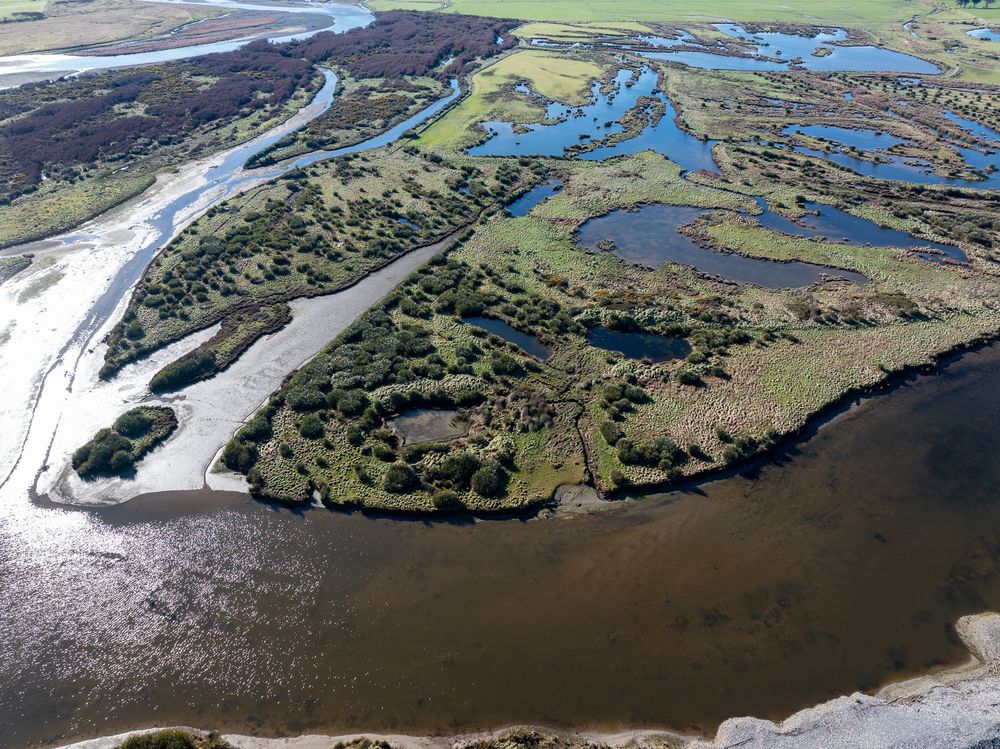
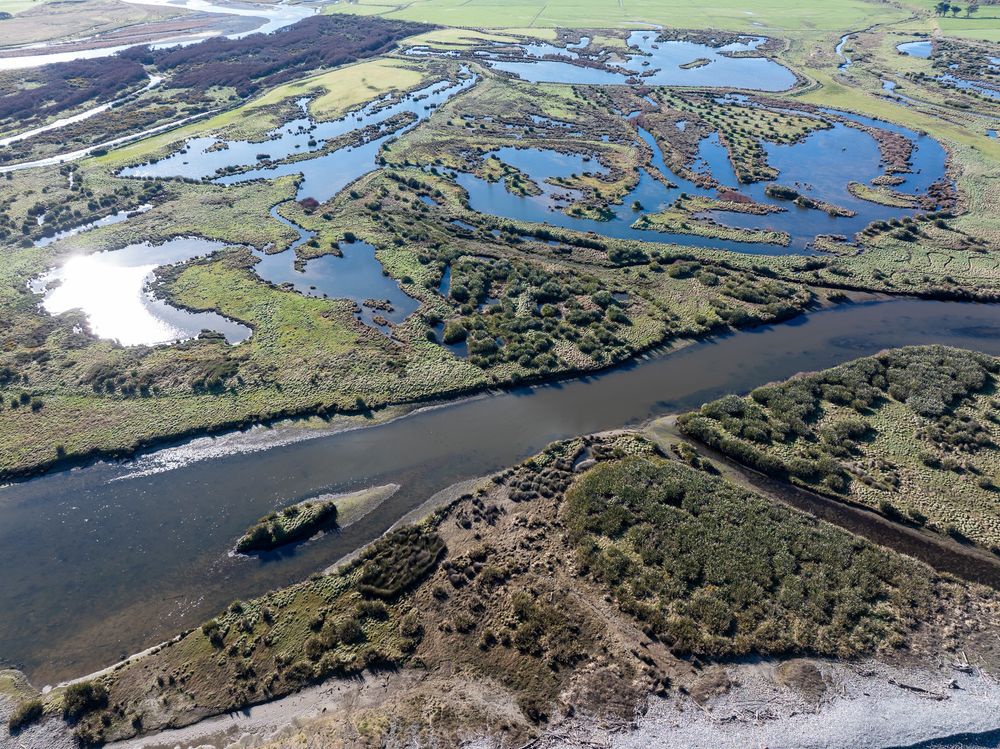
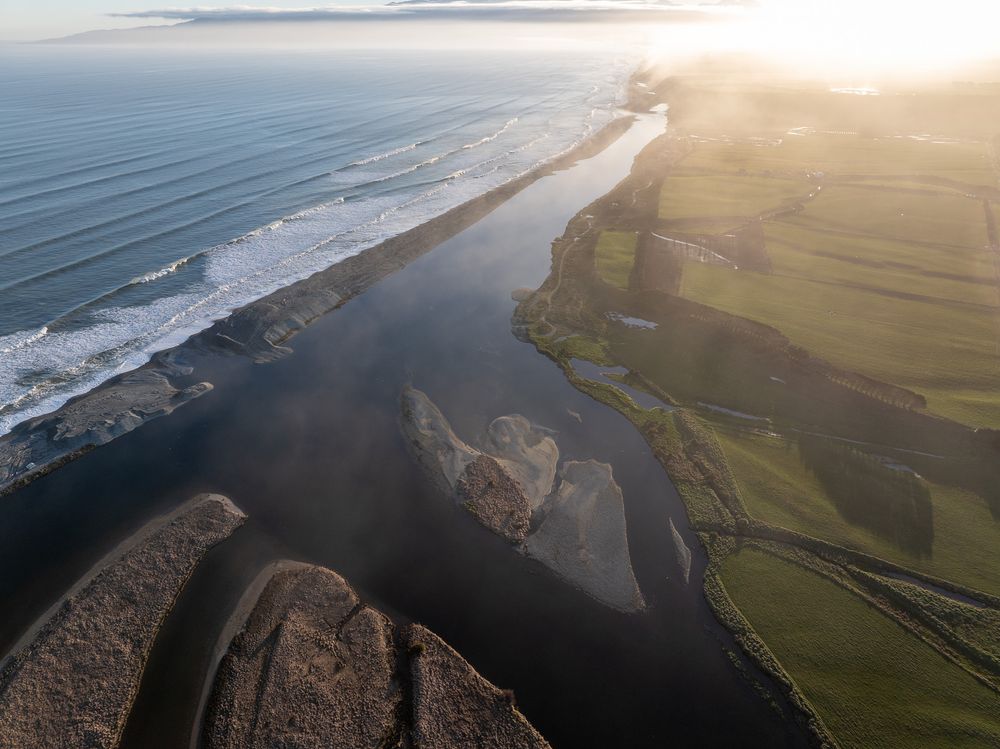
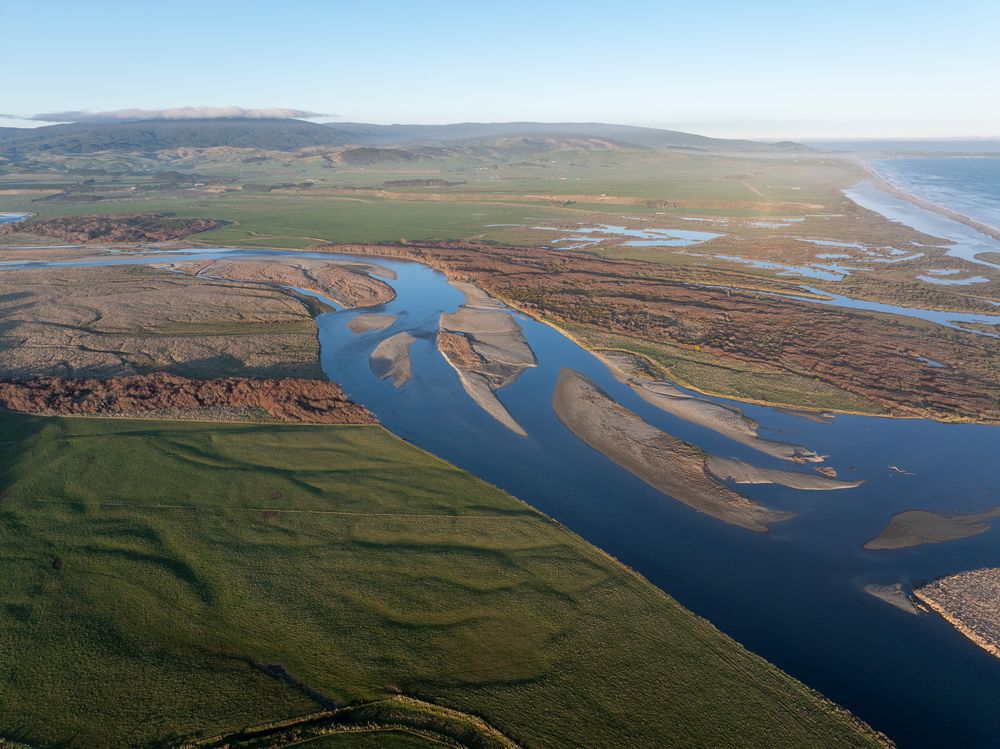
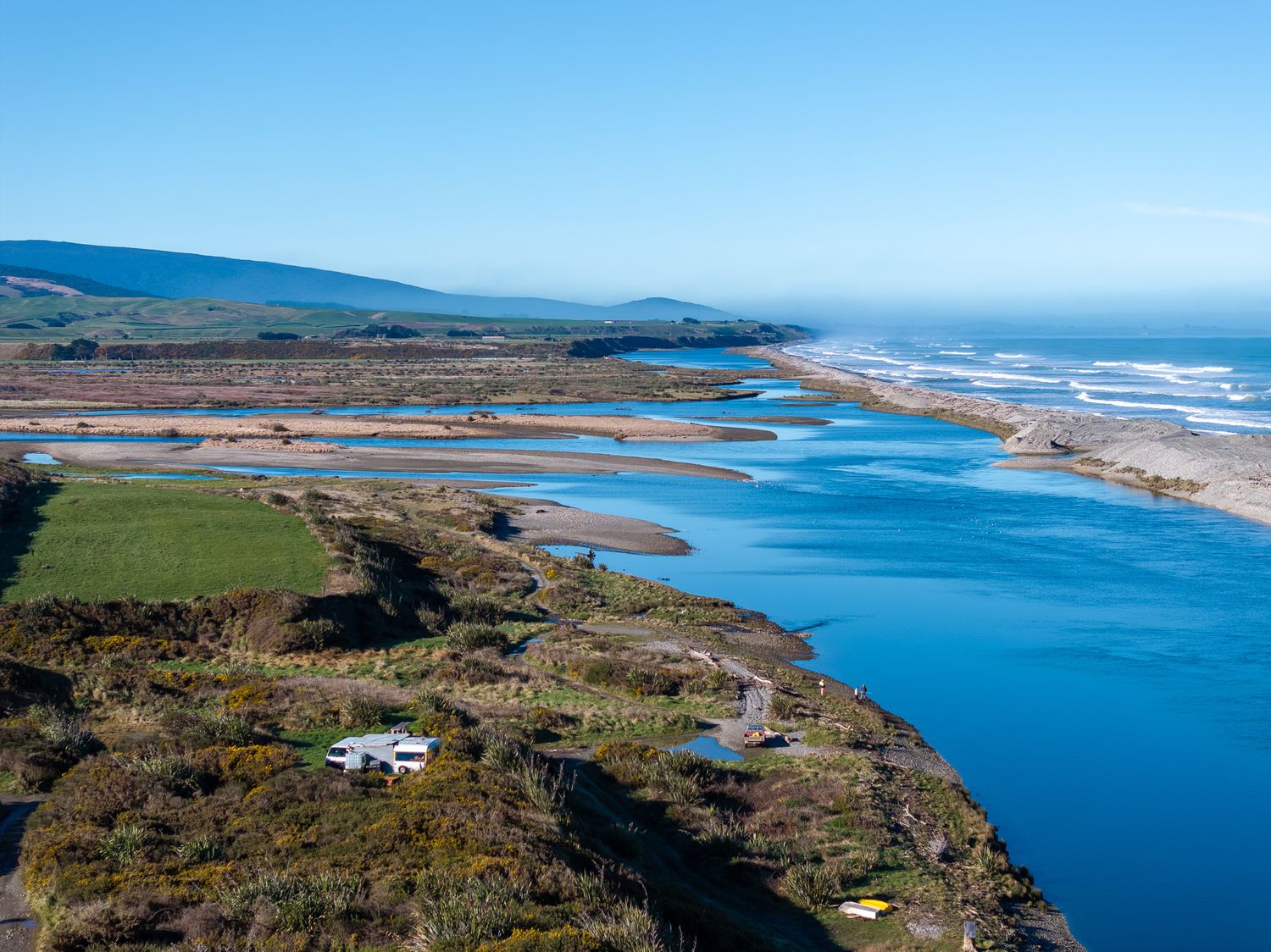
At the mouth of the Waiau, Te Waewae Lagoon continues to play a vital role in sustaining the fishery. Since 1998, more than 20 hectares of wetlands have been created, providing spawning and rearing grounds not only for whitebait but also for short and long-finned eels, wading birds, and other wildlife.
Inanga (Galaxias maculatus), the main species caught as whitebait, spawn in tidal vegetation during February–April. Their larvae are washed out to sea, only to return months later as the shoals of juveniles that enter our rivers in spring. Protecting wetlands like Te Waewae is crucial to keeping this life cycle alive.
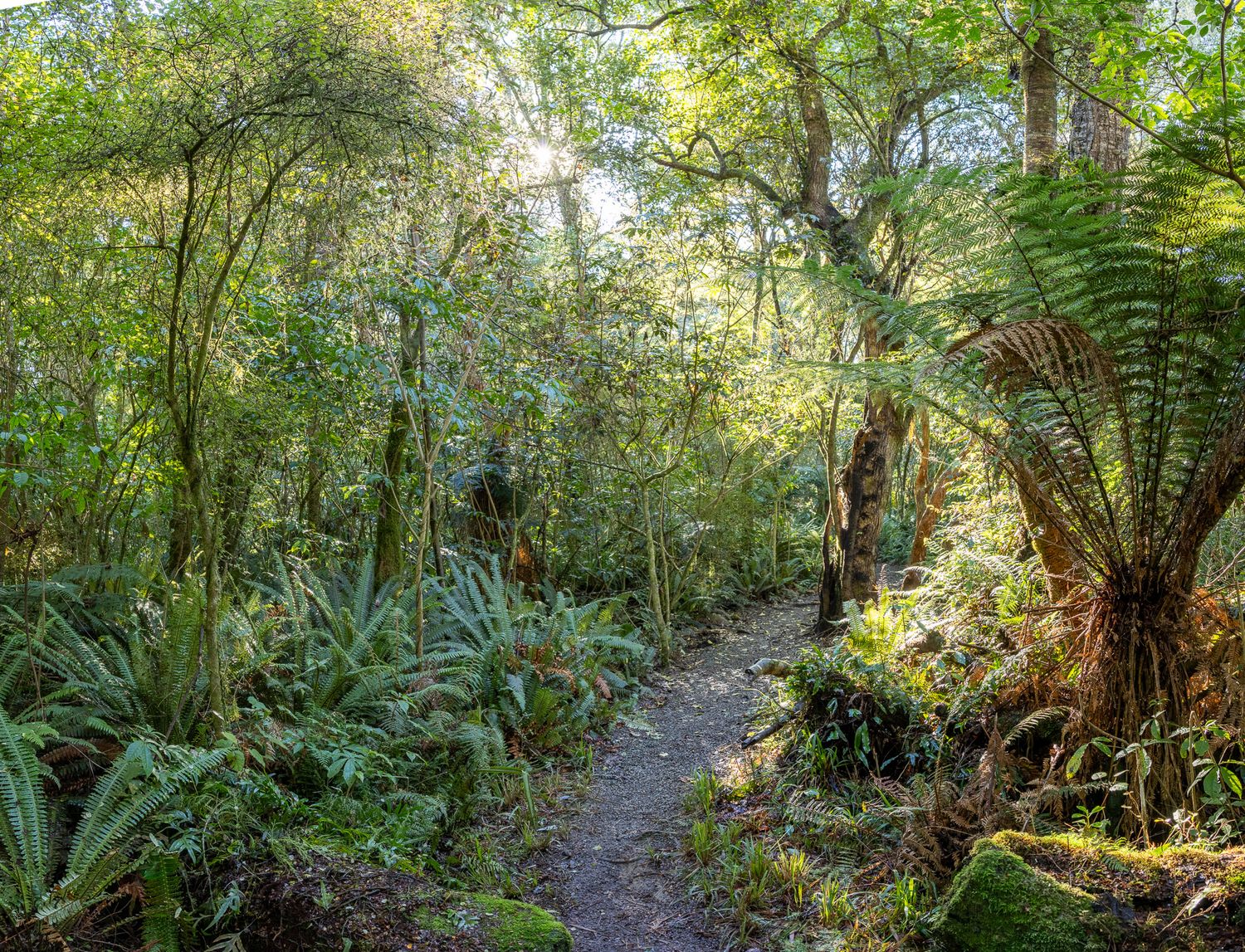
Future plans for the lagoon include improved public access, walking tracks, and ongoing ecological monitoring. When completed, it will be both a community asset and a lasting safeguard for the fishery.
Looking Ahead
Whitebaiting brings excitement to spring in Tuatapere. But it also comes with responsibility. By respecting the rules, maintaining stands, and supporting habitat protection, we can ensure that this tradition thrives for generations to come.
So grab your nets, head down to the Waiau, and enjoy the season. Whether your bucket is full or empty, the real catch is being part of a community tradition that runs as deep as the river itself.
Click here to Download the photos